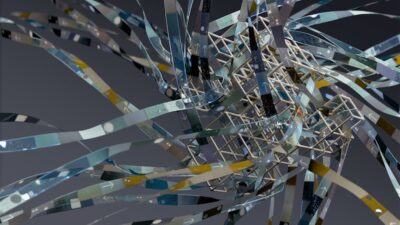
The Dawn of Holographic Technology
As we find ourselves mid-decade in 2026, the world has embraced a digital revolution that many thought was still years away. Holographic technology has transitioned from science-fiction into science fact, permeating various aspects of everyday life. Just a few years ago, holograms were primarily seen in tech expos or futuristic movies; today, they have become a staple in classrooms, boardrooms, and even living rooms.
The driving force behind this surge? Faster internet speeds and advanced projection technology. With 6G networks making their debut in several countries, the transmission of high-quality holographic data has become a reality. This has opened doors for innovations that were previously inconceivable.
Education Revolutionized
Imagine sitting in a history class where the teacher isn’t just describing ancient Egypt, but you’re actually standing amidst the pyramids, watching as workers toil on the colossal structures. Many schools across the globe—from New York to Tokyo—have integrated holographic content into their curricula. Students can engage in interactive sessions with historical figures, explore the human body at a cellular level, or even conduct science experiments in a virtual laboratory.
This dynamic learning method has drastically increased student engagement and comprehension. A study conducted by the University of Sydney found that students involved in holographic lessons showed a 30% increase in retention rates compared to traditional teaching methods.
Redefining Entertainment
The entertainment industry is no stranger to technological advancements, but holography offers something uniquely captivating. Concerts by musicians who are no longer with us have become common, allowing fans to experience live performances by legends like Prince or Freddie Mercury. Hollywood has also jumped on board, with studios creating films that viewers can literally step into, experiencing narratives in a 360-degree immersive environment.
Gaming, too, has evolved into a world where players are no longer confined to screens. Companies like HoloPlay have developed systems that project game environments into users’ rooms, allowing gamers to interact with virtual worlds in unprecedented ways. The result is a gaming experience that is not just seen, but felt.
Transforming Healthcare
In the medical field, holography is saving lives. Surgeons now use holographic projections of organs to plan complex surgeries. These projections can be manipulated in real-time, providing a level of detail that traditional imaging techniques cannot. The Cleveland Clinic has reported a 20% reduction in surgical errors since implementing holographic technology in their operating rooms.
Furthermore, patient care has improved significantly. Through holographic consultations, specialists can examine patients remotely, providing expert care regardless of geographical barriers. This has been particularly beneficial in underserved areas where access to healthcare professionals is limited.
The Social Impact
Beyond the practical applications, holography is changing how we interact socially. Virtual meetings have become more personal as holograms replace video calls, making remote work feel less remote. It’s now possible to attend family gatherings and social events without physical presence, reducing the impact of geographical separation.
However, this technology is not without its challenges. There is a growing conversation about the ethical implications of holography, particularly concerning privacy and consent. As the technology becomes more widespread, it’s crucial to consider how personal data is used and protected.
The Practical Takeaway
As holographic technology continues to evolve, its integration into our daily lives offers exciting opportunities and challenges. From revolutionizing education and healthcare to redefining entertainment and social interactions, holograms are reshaping our world in ways we are just beginning to understand. As consumers and citizens, staying informed about these changes ensures we can effectively navigate and contribute to this new holographic era.